Source Light Weight Anti Slip Canvas Shoes for Workshops
Compare 30 listings of light weight anti slip canvas shoes designed for SMT production lines, printing workshops, and electronic component maintenance rooms. Buyers can evaluate specifications like surface resistance, material composition, and customization options from verified suppliers; compare the available evidence and request quotations based on your requirements.
Key considerations
Products List


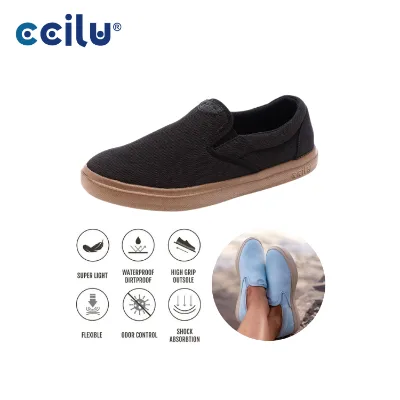
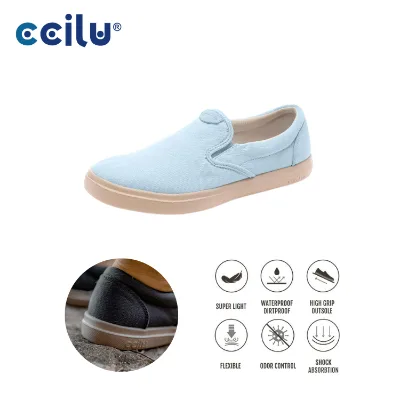


Comprehensive Sourcing Guide
Light Weight Anti Slip Canvas Shoes Sourcing Guide
Procuring light weight anti slip canvas shoes requires a careful balance between material comfort and functional safety, particularly for environments where mobility and floor protection are critical. Buyers must distinguish between general-purpose casual footwear and specialized industrial or workshop shoes that offer specific slip-resistant properties. The core challenge lies in verifying that the "anti-slip" claim is backed by measurable performance data rather than marketing terminology, ensuring the outsole compound provides adequate traction on oily, wet, or smooth surfaces common in production lines and maintenance rooms.
Sourcing decisions should also account for the diverse material compositions available in the current market, ranging from traditional PVC and canvas blends to more sustainable options like recycled PET yarn and coffee-based foams. These material choices directly impact the shoe's breathability, durability, and environmental footprint. Procurement teams need to align their selection with the specific operational needs of their workforce, considering factors such as seasonal wear, gender-specific fit requirements, and the necessity for customizable designs that reflect brand identity while maintaining strict safety and comfort standards.
Product Scope and Observed Listing Signals
The current market landscape for light weight anti slip canvas shoes reveals a wide spectrum of product types, including casual shoes, stiletto heels, and specialized footwear for electronic component maintenance rooms. Listings indicate a strong emphasis on breathability and non-waterproof designs, suggesting these shoes are intended for indoor or controlled environments rather than harsh outdoor conditions. The observed product models, such as FCS-357 and NCS5673, highlight a variety of structural designs, from round-toe casual styles to more customized options with specific heel materials and upper constructions, catering to both unisex and gender-specific demands.
Commercial signals show significant variability in minimum order quantities, ranging from single units for sampling or small boutique orders to bulk requirements of up to one thousand pieces for large-scale industrial procurement. Pricing structures are similarly diverse, reflecting differences in material quality, customization levels, and brand positioning. Buyers should note that many suppliers offer OEM, ODM, and OBM services, allowing for extensive customization in terms of design, packaging, and branding, which is crucial for companies looking to create proprietary footwear solutions for their employees or retail customers.
Technical Specifications to Verify
When evaluating technical specifications, buyers must prioritize the surface resistance properties of the footwear, especially for use in sensitive environments like computer rooms or SMT production lines. The observed data indicates a surface resistance range of $10^7-10^9 \Omega$, which is critical for preventing static discharge that could damage electronic components. This specification should be verified through independent testing reports to ensure consistency across batches, as even minor deviations can compromise the safety and integrity of the production environment where these shoes are deployed.
Material composition is another vital technical aspect, with options including PVC, canvas, PU, cotton fabric linings, and rubber insoles. Buyers should verify the specific blend ratios and quality grades of these materials to ensure durability and comfort. For instance, the use of coffee yarn and recycled plastic bottle yarn in some models offers sustainability benefits but may have different wear characteristics compared to traditional materials. Additionally, the construction method, whether handmade or machine-made, impacts the consistency and longevity of the product, so clear specifications on manufacturing processes are essential for quality assurance.
Compliance and Safety Documentation
Compliance with international safety and environmental standards is non-negotiable for industrial and commercial footwear procurement. Buyers must request and verify certifications such as RoHS, ISO, GS, and CE, which attest to the product's adherence to strict health, safety, and environmental protection regulations. These certifications provide assurance that the materials used are free from hazardous substances and that the manufacturing processes meet recognized quality benchmarks. It is crucial to ensure that the certification documents are current and issued by accredited bodies to avoid potential legal and operational risks.
Furthermore, buyers should inquire about specific safety features relevant to their industry, such as anti-slip performance metrics and static dissipation capabilities. While general standards like ASTM F3445-24 may be referenced in the broader category, buyers must confirm if these specific standards apply to their particular use case and if the supplier has conducted relevant testing. Documentation should also include information on sterilization methods, with many products being free from ethylene oxide sterilization, which is important for maintaining material integrity and ensuring worker safety in cleanroom or maintenance settings.
Cost Drivers and Commercial Terms
Cost drivers for light weight anti slip canvas shoes are primarily influenced by material selection, customization complexity, and order volume. Premium materials such as recycled yarns, coffee-based foams, and specialized rubber outsoles typically command higher prices due to their sourcing costs and processing requirements. Customization options, including unique designs, branded packaging, and specific size ranges, add to the overall cost as they require additional setup and production adjustments. Buyers should negotiate clearly defined pricing tiers based on MOQs to optimize their budget while meeting their quantity requirements.
Commercial terms should also address lead times, payment conditions, and logistics arrangements. Given the variability in MOQs from one to one thousand pieces, buyers must align their ordering strategy with their inventory management capabilities. It is advisable to establish clear agreements on quality acceptance criteria and return policies to mitigate risks associated with defective batches. Additionally, understanding the supplier's capacity for handling large orders and their reliability in meeting delivery schedules is essential for maintaining uninterrupted supply chains, especially for time-sensitive procurement needs.
Supplier Qualification and Quality Control
Supplier qualification begins with a thorough assessment of their manufacturing capabilities, quality management systems, and past performance records. Buyers should verify the supplier's ability to maintain consistent product quality across different batches, particularly for critical specifications like surface resistance and slip performance. Requesting samples for rigorous testing is a crucial step in this process, allowing buyers to evaluate the actual feel, fit, and durability of the shoes before committing to large orders. Suppliers with strong OEM/ODM capabilities should also demonstrate their flexibility in adapting to specific design and functional requirements.
Quality control protocols must be clearly defined and enforced throughout the production process. This includes pre-production inspections, in-line quality checks, and final random inspections before shipment. Buyers should insist on detailed inspection reports that cover all critical attributes, including material composition, stitching quality, and dimensional accuracy. Establishing a clear communication channel for addressing any quality issues promptly is also vital. Suppliers who proactively engage in continuous improvement and are transparent about their quality control processes are more likely to deliver reliable and high-quality products.
Long-Term Procurement Checks
Long-term procurement success depends on establishing a robust supplier relationship management strategy that includes regular performance reviews and continuous improvement initiatives. Buyers should monitor key performance indicators such as on-time delivery rates, defect rates, and responsiveness to issues. Regular audits of the supplier's facilities and quality management systems can help identify potential risks and ensure ongoing compliance with agreed-upon standards. Building a partnership based on mutual trust and transparency fosters better collaboration and innovation, leading to improved product offerings and cost efficiencies over time.
Sustainability and ethical sourcing practices are increasingly important factors in long-term procurement decisions. Buyers should evaluate their suppliers' commitment to environmental responsibility, such as the use of recycled materials and adherence to fair labor practices. Certifications like GRS and B-Corp, along with vegan approvals, can serve as indicators of a supplier's dedication to sustainable operations. By prioritizing suppliers who align with their corporate social responsibility goals, buyers can enhance their brand reputation and contribute to a more sustainable supply chain, ensuring long-term viability and positive impact.
FAQs
What materials are used for these canvas shoes?
The shoes utilize durable materials such as PVC combined with canvas, or PU paired with canvas. Some models feature cloth uppers with rubber outsoles. Lining options include cotton fabric or sustainable coffee yarn. Insoles may be made from rubber or PU foam, ensuring comfort and structural integrity for various industrial and casual applications.
Are these shoes suitable for SMT production environments?
Yes, these shoes are designed for use in SMT production lines, printing workshops, and electronic component maintenance rooms. They feature a surface resistance of 10^7-10^9 ohms to prevent static discharge. This makes them ideal for computer rooms and other sensitive electronic environments where anti-slip and static-dissipative properties are required for safety and product protection.
Can I customize the design and size of the shoes?
Customization is available for both design and sizing. Buyers can request fruit designs or other custom patterns. Sizes range from S to standard ranges like 35-46, with some models offering customized opening depths. The production supports OEM, ODM, and OBM services, allowing for tailored specifications to meet specific brand or functional requirements for unisex footwear.
What certifications do these anti-slip shoes hold?
The products hold several key certifications including RoHS, ISO, GS, and CE. These certifications ensure compliance with international safety and quality standards. The shoes are new condition and non-waterproof, focusing on breathability and static control. These credentials verify the manufacturing quality and material safety, making them suitable for regulated industrial and commercial footwear applications.
What is the minimum order quantity for these shoes?
The minimum order quantity varies by model, ranging from 1 piece to 1000 pieces. Specific models like the Casual Shoes-016R have an MOQ of 100, while others may start at just 1 unit. This flexibility allows buyers to test samples or place larger bulk orders. Packaging is typically in cartons or individual polybags depending on the specific product line selected.
Are these shoes waterproof or breathable?
These shoes are explicitly non-waterproof and designed to be breathable. They are intended for indoor environments like computer rooms and workshops rather than wet outdoor conditions. The breathable construction ensures comfort during extended wear in temperature-controlled settings. Buyers should avoid using them in rainy or wet environments as they lack waterproofing features and are made from materials like canvas and PVC.